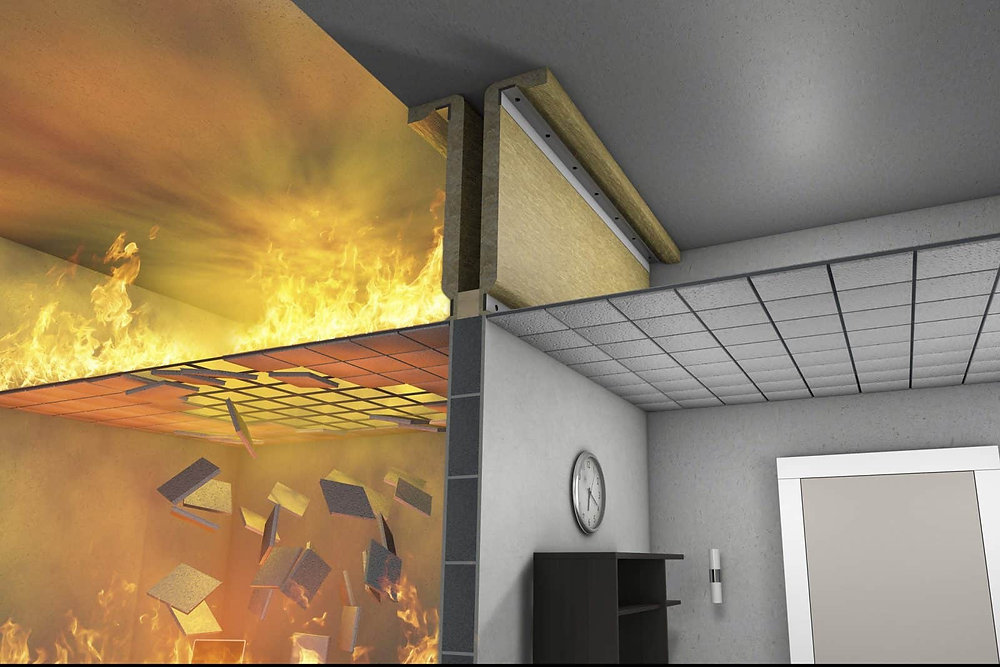
Building safety depends on thoughtful planning that protects people and property. Many property managers rely on passive fire protection illawarra solutions to control smoke movement. Careful compartment planning helps slow fire progression and maintain clearer escape paths. Structural elements work together to contain danger within defined areas. When the smoke spread is limited, evacuation and response become safer and more organised.
Principles behind Internal Fire Containment
Fire containment relies on dividing structures into controlled sections. These sections slow the smoke travel and heat transfer between rooms. Fire-rated walls, floors, and ceilings form essential barriers. Proper sealing prevents gaps that allow smoke leakage. Together, these measures support safer evacuation timing.
Key Elements Supporting Smoke Control
Effective containment uses multiple components working together across a building.
- Fire-rated doors slow the smoke movement between occupied internal areas
- Sealed service penetrations prevent hidden smoke pathways through walls
- Compartment walls resist heat and maintain integrity during fire events
- Dampers restrict smoke travel through ventilation duct systems
- Floor barriers limit vertical smoke spread between building levels
- Correct material selection improves resistance against heat and fumes
- Regular inspections ensure systems perform as designed during emergencies
- Clear signage supports safe movement toward protected exit routes
Role of Compartmentation in Building Safety
Compartmentation limits fire impact by isolating affected zones. This approach protects adjacent spaces from rapid smoke exposure. By slowing the spread, emergency services gain valuable response time. Occupants benefit from improved visibility and breathable air. Overall risk is reduced through controlled containment.
How Do Containment Systems Reduce Smoke Hazards?
Containment systems reduce smoke hazards by blocking uncontrolled airflow. Fire-rated barriers keep smoke confined to the origin area. This containment limits toxic exposure and heat buildup elsewhere.
These systems also support safer evacuation by maintaining clearer corridors. When combined with alarms and response plans, containment improves survival outcomes. Reliable compartment design ensures buildings perform as intended during critical moments.
Maintenance Supporting Long Term Protection
Ongoing maintenance keeps containment systems effective over time. Regular checks identify wear damage or unauthorised changes. In regions using passive fire protection illawarra, compliance inspections ensure continued performance. Maintenance supports reliability when systems are needed most.
Materials and Construction Considerations
Material choice affects how well compartments resist smoke and heat. Fire-rated boards, seals, and coatings enhance performance. Correct installation ensures no weak points remain. Quality construction supports consistent protection across the structure.
Comparing Fire Containment Components
Different components serve specific roles within a containment strategy. Understanding their function improves planning decisions.
Creative Services FAQ
- How does a design firm manage custom art curation for commercial spaces? Through planning, collaboration, and visual consistency.
- Why engage a design firm for curated art installations? Professional oversight ensures quality and relevance.
- How does custom art curation reflect organisational branding? Visual themes communicate identity clearly.
- What benefits does a design firm bring to public art projects? Experience coordination and creative direction.
- Can custom art be tailored for different environments? Designers adapt style, scale, and materials.
Building Resilience through Thoughtful Design
Protective building design supports safety through preparation and care. Containment planning reduces danger while supporting orderly response. Well-maintained systems help occupants move calmly during incidents. Structural protection works quietly until it is needed most.