Remote infrastructure depends heavily on ground strength and consistency. Roads airstrips service pads, and utility corridors face constant pressure from climate extremes. Soil stabilisation methods supporting infrastructure resilience in remote Northern Territory areas address these challenges through controlled ground improvement. Harsh rainfall cycles, heat variation, and sparse vegetation increase surface movement risks. Engineers prioritise soil behaviour understanding before construction begins. Projects frequently integrate erosion control northern territory planning to protect assets long-term. Stable ground conditions support safer access, reliable services, and reduced maintenance demands.
Ground Conditions Influencing Structural Stability
Soil composition determines load-bearing capacity. Clay rich ground reacts strongly to moisture changes. Sandy profiles shift under traffic pressure. Stabilisation aligns soil behaviour with infrastructure requirements. Improved compaction increases strength. Consistent ground performance supports structural reliability across remote sites.
Techniques Used For Soil Strength Improvement
Multiple stabilisation techniques address varied site conditions. Selection depends on soil type and usage.
- Mechanical compaction increases density, improving immediate load resistance
- Chemical binders enhance cohesion within loose soil profiles
- Lime treatment reduces plasticity in reactive clay soils
- Cement stabilisation boosts strength for heavy traffic routes
- Geotextile layering separates soils, preventing material mixing
- Vegetative cover reduces surface erosion impact
- Gravel blending improves drainage characteristics
- Moisture control planning limits seasonal soil expansion
Each technique targets specific challenges.
Climate Pressures Affecting Remote Infrastructure
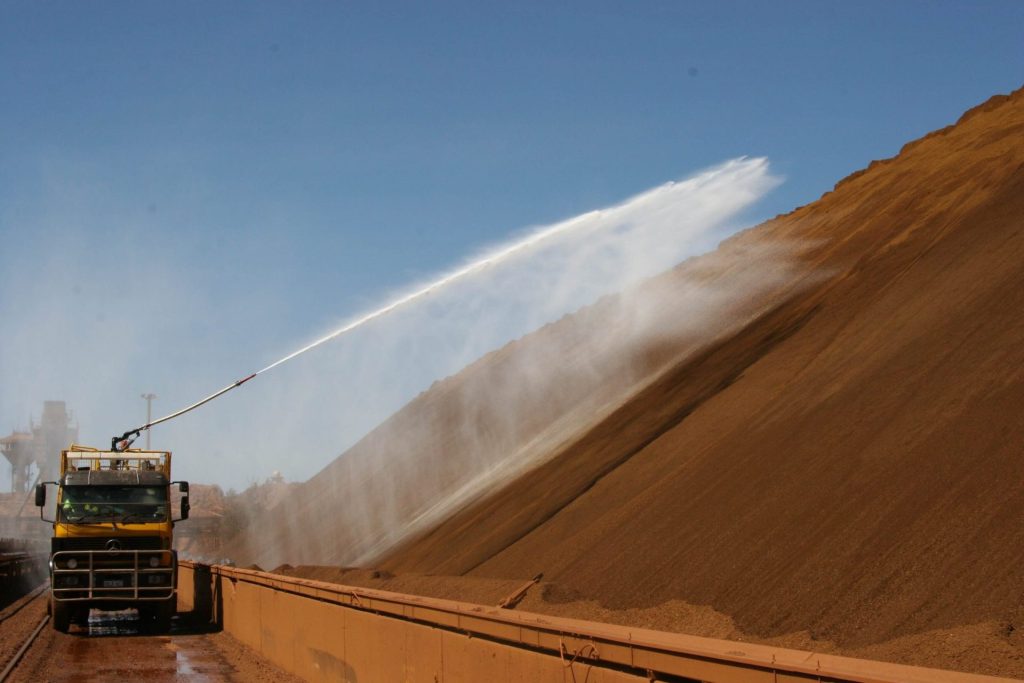
Extreme weather accelerates soil degradation. Intense rainfall triggers erosion. Extended dry periods cause cracking. Stabilised soils resist these pressures more effectively. Infrastructure remains serviceable longer. Maintenance cycles become predictable. Climate resilience improves through preparation.
What drives infrastructure failure without soil stabilisation?
Unstable ground undermines structural integrity over time.Movement beneath foundations causes cracking, settlement, and alignment loss. Repairs become frequent and costly.Stabilisation mitigates these risks early. Ground reinforcement supports consistent performance across seasons.
Planning Processes Supporting Long-Term Resilience
Successful stabilisation begins during design. Soil testing informs technique choice. Engineers evaluate moisture patterns and load demands. Phased implementation ensures effectiveness. Planning reduces surprises during construction. Structured preparation protects investment outcomes.
Integration with Utility And Service Installations
Stabilised ground supports buried services effectively. Erosion control northern territory projects often coordinate with electrician atherton when installing power infrastructure in remote zones. Stable soil protects conduits cables, and poles. Electrician atherton collaboration ensures safety compliance. Integrated planning avoids future service disruptions.
Stabilisation Method Performance Comparison
Different methods deliver varied durability outcomes. Comparative analysis guides decision-making.Performance varies by application. Selection depends on the exposure usage budget. Proper matching maximises resilience.
FAQ Regarding Creative Design Firms
- Do design firms contribute to infrastructure visual planning?
Yes, they align form with functional intent
- Can art curators support public infrastructure aesthetics?
They integrate visual elements thoughtfully
- Are design studios involved in remote project concepts?
Many assist with contextual design planning
- Do curators consider environmental conditions in designs?
They adapt concepts to climate challenges
- Can design teams collaborate with engineers?
Yes, discipline input improves outcomes
Strengthening Foundations For Remote Progress
Infrastructure success begins beneath the surface. Stable soils support longevity and safe access. Early investment reduces future repair burdens. Coordination, including electrician atherton ensures services remain protected. Soil stabilisation methods supporting infrastructure resilience in remote Northern Territory areas demonstrate how informed ground preparation enables sustainable development across challenging environments.